
A guest has made an online reservation at your boutique hotel and then comes to your cafe for coffee, which they then charge to their room. The next morning, anticipating a simple, one-bill payment, they order breakfast and go out. Chaos would result, however, if we assumed that none of those systems were communicating with each other. For this reason, the language used by your booking engine and point of sale system should be the same. In addition to providing significant technological advancements, automatic connectivity is essential for modern hospitality.
The Big Picture: Guest Experience, Efficiency, and Accuracy
When the point of sale and reservation system are seamlessly integrated, magic happens:
- There is never any doubt or duplication of reservations regarding availability.
- Whether guests make reservations online, in person, or at devices, everything instantly syncs because of integrated sales management.
- Staff can view guest information, preferences, and invoices in one location, simplifying workflows.
- Gaining the trust of guests who expect excellent experiences is more important than convenience.
The Pleasure Center for Further Information Is the Point of Sale Just Verifying

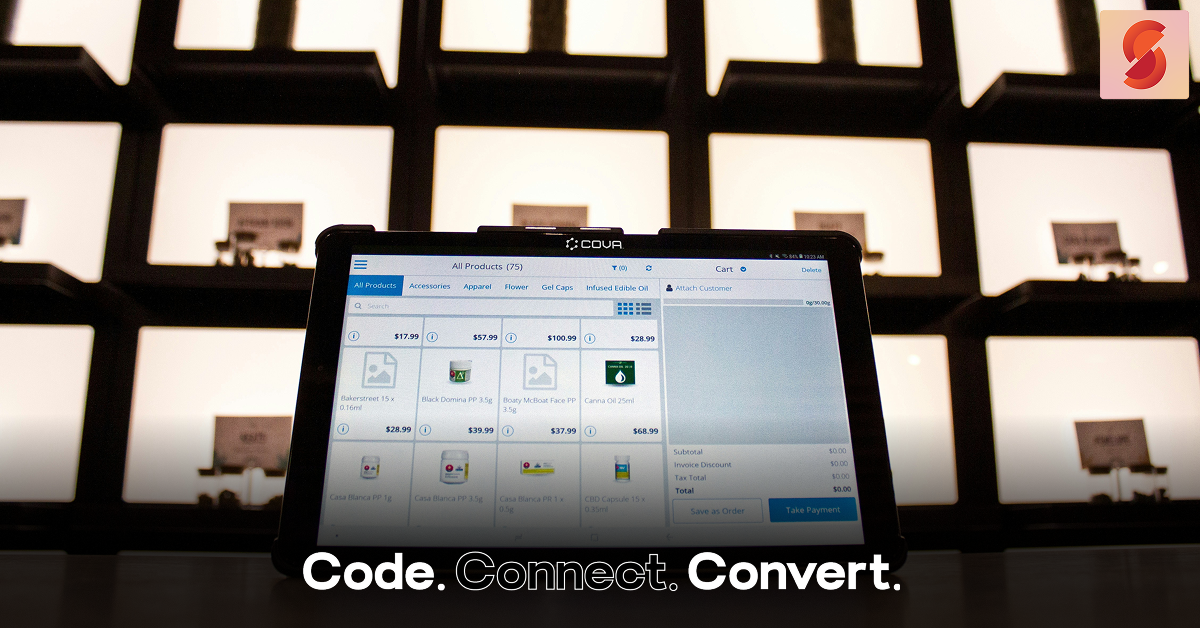
One of the many features of a modern point-of-sale system is the ability to process payments. It serves as an operations center for staff management, inventory control, and reporting when connected to your booking engine.
- A training tool that makes the boarding process easier.
- This data goldmine gives real-time insights on what’s selling, where revenue comes from, and how to optimize operations.
In other words, it’s about encouraging growth rather than just closing deals.
Smooth Flow = Contented Visitors
Today’s visitors want smooth experiences. A complicated system or, worse, inconsistent charges lead to disappointment and even missed reservations.
An integrated arrangement allows you to deliver:
- Simple booking procedures, especially for mobile devices.
- The pricing is transparent and easy to understand, with easy selling features such as “room + breakfast” packages.
- Intelligent billing, quick check-ins, and simplified add-ons—all of which promote loyalty.
If the flow seems smoother, the guest will feel more satisfied and willing to come back.
Features of an Integrated System

Not all systems are created equal. Your checklist for a clever POS-booking engine combination is as follows:
- Ensure charge synchronization with guest portfolios by enabling two-way communication with your Property Management System (PMS).
- Self-service options, such as workstations or smartphone ordering, can reduce wait times.
- Real-time menu and inventory control.
- Strict adherence to security to safeguard the data of guests.
- A mobile-first booking experience that aligns with the current booking trends of guests.
Conclusion
Missed revenue, staff discomfort, and inefficiency are caused by a point-of-sale system that isn’t linked to your booking engine.
But when do they work together? You benefit from smooth selling, real-time synchronization, more sophisticated processes, and happy customers. At that point, you’re doing more than just managing a hotel; you’re making the stay memorable for the guests.