
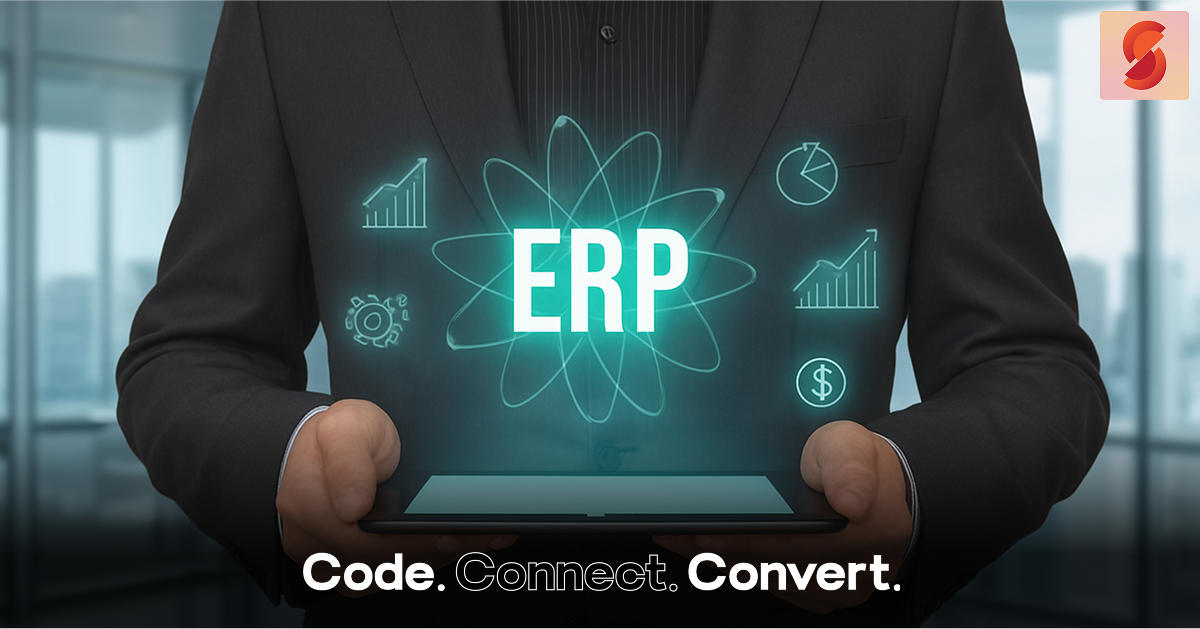
In today’s fast-paced digital economy, businesses face growing operational complexity, rising data volumes, and ever-increasing customer expectations. Enterprise Resource Planning (ERP) systems have become more than just useful tools—they are essential for ensuring efficiency, sustainability, and competitiveness. This article explores why ERP is no longer optional and how it transforms businesses.
What is ERP?
ERP (Enterprise Resource Planning) is a comprehensive software suite that integrates core business functions and supply chain management into a unified platform. It streamlines processes, enhances collaboration, and provides real-time visibility across operations.
Why ERP is Essential Today
With businesses dealing with more complex operations than ever, ERP provides a centralized system to manage workflows and data. It enables organizations to remain agile, compliant, and customer-focused, making it indispensable in today’s digital-first world.
Key Benefits of ERP Implementation
- Enhanced Productivity – Automates repetitive tasks, allowing employees to focus on strategic goals.
- Real-Time Analytics & Reporting – Provides instant insights for better decision-making.
- Improved Inventory Management – Tracks stock, prevents shortages, and avoids overstock.
- Stronger Customer Relationships – Integrated CRM modules improve service and personalization.
- Cost Savings – Reduces inefficiencies and errors, delivering long-term financial benefits.
- Streamlined Supply Chain Management – Enhances vendor coordination, logistics, and timely delivery.
Industry-Specific Importance of ERP

ERP systems are tailored to address the needs of different industries:
- Manufacturing: Oversee production cycles from raw materials to finished products.
- Retail & eCommerce: Integrate sales, customer, and inventory data for efficiency.
- Healthcare: Manage patient records, billing, procurement, and staffing.
- Construction: Handle contracts, budgets, timelines, and resources.
- Education: Support student records, scheduling, HR, and finance management.
Features of Modern ERP Systems
- Cloud-based access for remote operations
- AI and machine learning for predictive insights
- Mobile accessibility for on-the-go management
- Customization and scalability options
- Integrated CRM, HRM, and SCM modules
- Role-based access control (RBAC)
- Advanced reporting and analytics tools
- Robust cybersecurity and data protection
Signs Your Business Needs ERP

- Fragmented systems causing inefficiencies
- Difficulty accessing real-time business data
- Scaling challenges as the company grows
- Increased manual workload and errors
Conclusion
ERP is not just a technological upgrade—it is a strategic necessity. From streamlining daily operations to enabling data-driven decision-making, ERP helps businesses cut costs, improve customer experiences, and stay competitive. Implementing the right ERP solution ensures a strong foundation for sustainable growth in the digital age.