
When you visit a website or use an app, what makes you stay? What makes the experience enjoyable or frustrating?
That’s the power of User Experience (UX) Design.
Great UX goes far beyond a visually appealing interface. It’s about making your users feel confident, valued, and comfortable while using your product. In today’s competitive digital world, good UX isn’t just a bonus. it’s a business necessity.
What is UX Design? 🌟
User Experience (UX) is all about how users feel when interacting with your brand’s product or service. From the first click to the final checkout, UX aims to make that journey smooth, logical, and satisfying.
According to ISO 9241‑210, UX is:
“A person’s perceptions and responses that result from the use or anticipated use of a product, system, or service.”
It includes everything from how intuitive your layout is to how emotionally engaging your messaging feels. In short—UX is the total experience, not just the interface.
UX vs. UI: What’s the Difference? 🎯
While UI (User Interface) deals with the look and layout, UX is the broader umbrella that covers:
- How usable the product is
- How enjoyable it feels
- How well it solves the user’s problem
Think of UI as the steering wheel, gearshift, and dashboard. UX is the entire driving experience—smooth roads, traffic lights, comfort, and even your destination.
The Core Principles of UX Design 💡
- User-Centered Mindset
UX starts with understanding users—who they are, what they need, and how they behave.
- Empathy-Led Process
Designers step into the shoes of the user to deliver functional, emotional, and visual satisfaction.
- Iterative & Research-Based
Through continuous testing, feedback, and refinements, UX design evolves over time.
- Holistic Thinking
UX involves collaboration across teams—design, development, content, and marketing—to build seamless experiences.
The UX Design Process (Simplified) 🔄
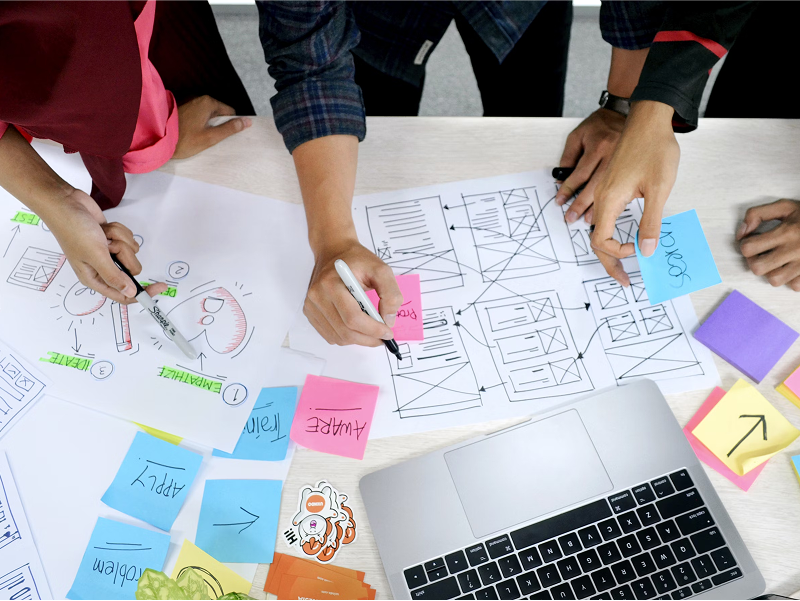
Here’s how the UX design lifecycle typically looks:
- Empathize: Understand user needs and pain points
- Define: Frame the right problem to solve
- Ideate: Brainstorm creative solutions
- Prototype: Create testable mockups
- Test: Gather feedback and refine
- Repeat: UX is never “done”—it evolves with your users
Why UX is a Game-Changer for Your Business 🚀
Let’s get real—UX design isn’t just about aesthetics. It’s a strategic business tool that drives performance.
✅ Happy Users Return
A product that’s easy to use keeps customers coming back.
✅ Better UX = Better Conversions
Clear user flows, helpful CTAs, and smooth checkout processes turn visitors into buyers.
✅ Saves Time and Money
Fixing UX problems during design costs far less than fixing them after launch.
✅ Builds Trust and Loyalty
Clean design and usability signal credibility and professionalism.
✅ Boosts SEO & Brand Perception
Google rewards user-friendly websites. Your users do too.
🔍 UX is Multidisciplinary
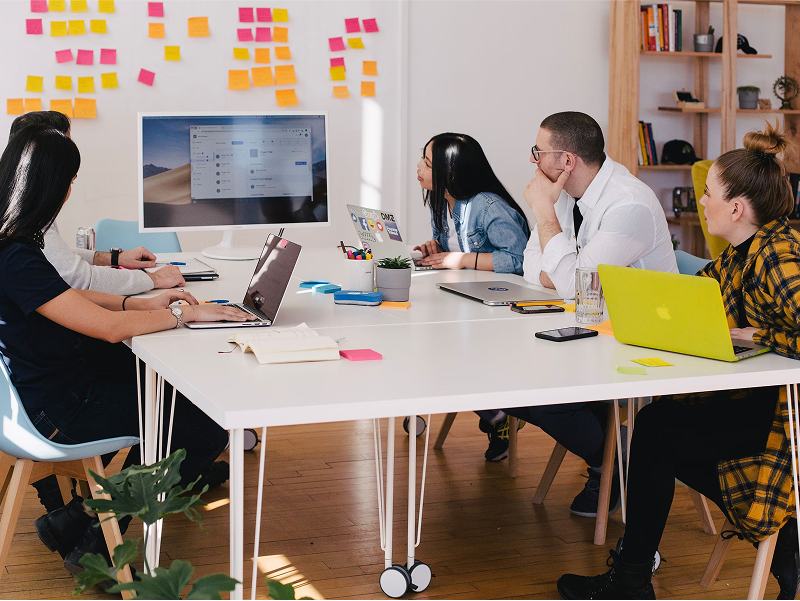
It’s not just for designers. UX requires collaboration between:
- Researchers who understand behavior
- Developers who make ideas real
- Marketers who shape messaging
- Product teams who align with business goals
Together, they create user experiences that convert, delight, and retain.
📈 The Business Bottom Line
Investing in UX leads to:
- Increased revenue
- Reduced development costs
- Stronger customer relationships
- Competitive advantage in saturated markets
It’s simple: The better the experience, the better the business.
Final Thoughts
User Experience Design is no longer optional. It’s a cornerstone of digital success. Businesses that prioritize UX see real returns—not just in metrics, but in customer love and brand loyalty.
So the question is:
Are you just designing a product, or are you designing an experience?